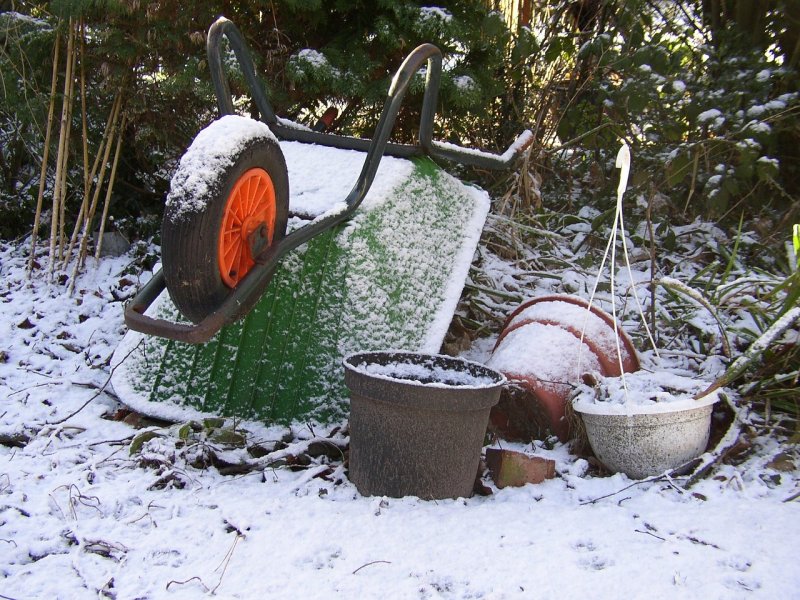
Owning a garden brings along numerous benefits, including instant access to fresh produce, complete control over what you grow and what chemicals and products you use as well as making a positive environmental impact.
To ensure that your garden produces yields at its peak, you must learn how to treat it in the right manner. This post focuses on how to prepare your garden for winter adequately.
Get the soil ready ahead of time
A healthy garden is one that is rich in quality soil. It's, therefore, imperative that you beef up the quality of the ground in your garden as early as possible. This may involve adding a layer of leaves, compost, peat or well-rotted manure on top of the soil. Before the ground freezes, the soil microorganisms and pests in your yard will have incorporated the necessary materials into the ground.
Get rid of dead vegetation
Remove all the dead plants, including the rotten vegetables and fruits to prevent pests and diseases from overwintering on them. If they are still healthy, you can add them to your compost pile, but if they contain mildew, blight or mold, then you should consider disposing of them together with your household trash or better burn them. Remove all the slime and matty plants to prevent bugs and diseases from wintering there. Also, dig out all the weeds or cover them with a plastic sheet throughout the entire winter season so that they don't sprout.
Keep garden hydrated
Your perennials require staying hydrated before winter so that they can maintain a healthy root system that will help them thrive during spring. Soak your plants once every week rather than watering them lightly on a daily basis for optimal results.
Plant the spring-flowering bulbs
Garlic, tulips, hyacinths and daffodils are better planted during the fall. Select a part of your garden that didn't grow alliums and plant your next year's bulbs. Note that each of them should be planted 15 cm (6 in) apart and 10 cm (4 in) deep. You will then have to add a significant amount of organic fertilizer and compost into the soil.
Protect the plants
Your plants, including shrubs and trees, require protection from animal and weather damages during winter. Stake and wrap the small trees in your garden to protect their trunks from wind and animal damages. Wrap the evergreens using burlap that sustains sun, wind and salt damage.
You can try using an anti-desiccant spray to prevent the leaves from winter burns which result from moisture loss. Mulching your planting beds after the ground freezes is also paramount as it adds another level of protection. Most importantly, you can consider creating wire fence rings around your yard to protect shrubs from animals like rabbit and snow damages.
Ensuring that your garden remains productive regardless of the season depends on the effort you are ready to put. Following the few tips mentioned above and to the letter can help prepare and protect your garden for the entire winter season.
Photo: Paul Sloane / Pixabay
Leave a Reply